


Italy's iGaming landscape is undergoing a major transformation. The government is implementing a bold restructuring plan aimed at consolidating the market, issuing an unprecedented 7 million licenses, and introducing strict new regulations designed to safeguard players. Discover the key changes coming in 2025.
Italy's Online Gaming Modernization: Streamlined Operators, Elevated Standards

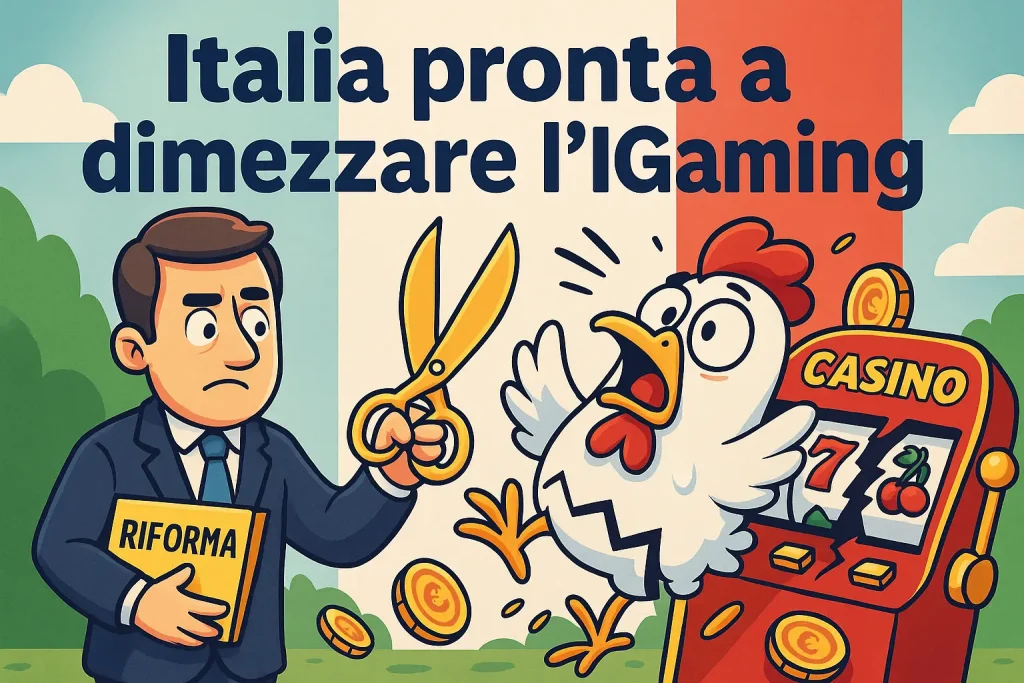
Italy set to slash iGaming sector by 50%: a pivotal and transformative shift
The landscape of Italy's digital gaming sector is shifting. The Customs and Monopolies Agency (ADM) has finalized its latest tender for licenses, and the figures are telling: compared to 93 bids in the previous round, applications have dropped to approximately 50. In practical terms, this means the field will shrink from the present 81 active providers to a mere 33. Some view this as a market contraction, while others see it as a revitalizing change. The underlying principle is straightforward: a smaller number of operators, but ones that are financially solid, embrace cutting-edge technology, and adhere to stricter security protocols. The state's objective is a more regulated industry capable of delivering consistent fiscal returns and safeguarding consumers. This strategy, though it may limit market rivalry, paves the way for a new chapter defined by enhanced trustworthiness and superior service standards.
The fresh investment threshold: €7 million requirement
Up until the day before, securing an online gaming license came with a "mere" price tag of 250 thousand euros. Now, the tune has shifted dramatically: the upfront fee has skyrocketed to a full 7 million. This massive leap has effectively priced out numerous smaller competitors, clearing the playing field for those with substantial capital and a genuine, viable business strategy. However, the financial impact extends beyond the initial cost. The updated regulations also mandate a tax of 24.5 percent on gross revenue for sports betting operators and 25.5 percent for digital casinos, alongside an annual fee equaling 3 percent of Gross Gaming Revenue (GGR). Completing this new landscape is an obligation to dedicate 0.2 percent of total revenues—capped at 1 million—to programs promoting safe and responsible gambling. This comprehensive strategy is fundamentally transforming the industry landscape and challenging the operational endurance of all market participants.
Player safeguarding: the core of transformation
It's about more than finances and permits: the core of change centers on safeguarding participants. The administration heightens expectations for combating illicit funds and defending consumers, mandating practical measures for companies to regulate time and monetary commitments. Required features will include deposit caps, expenditure ceilings, session boundaries, and voluntary exclusion mechanisms. The aim is evident: to avert damage, particularly within high-risk demographics like younger individuals. This marks a fundamental transition, merging innovation with ethical duty, reshaping gaming from an unregulated digital frontier into a more secure and accountable space.
Innovations in active recreation: shaping tomorrow's experiences
As Italy accelerates its digital modernization, the land-based gaming industry is also under legislative scrutiny. Proposals include stricter licensing for venues, enhanced identity verification, and consistent safety standards. Yet, disagreements with local governments have delayed progress, leading to postponed rulings. Nonetheless, the goal remains clear: a more regulated, secure gaming environment—both online and offline—that aligns with a forward-looking Italy while safeguarding its people. At it-chickenroadka.online, we will keep monitoring each phase of this pivotal evolution.
Read More


Recent News


Offerte Esclusive dai Casinò più Rinomati


Il sito it-chickenroadka.online è riservato unicamente a persone con più di 18 anni. Il gioco può causare dipendenza — sii consapevole e gioca con moderazione. Per ulteriori dettagli, consulta BeGambleAware.org
© 2026 it-chickenroadka.online — Tutti i diritti sono riservati.